
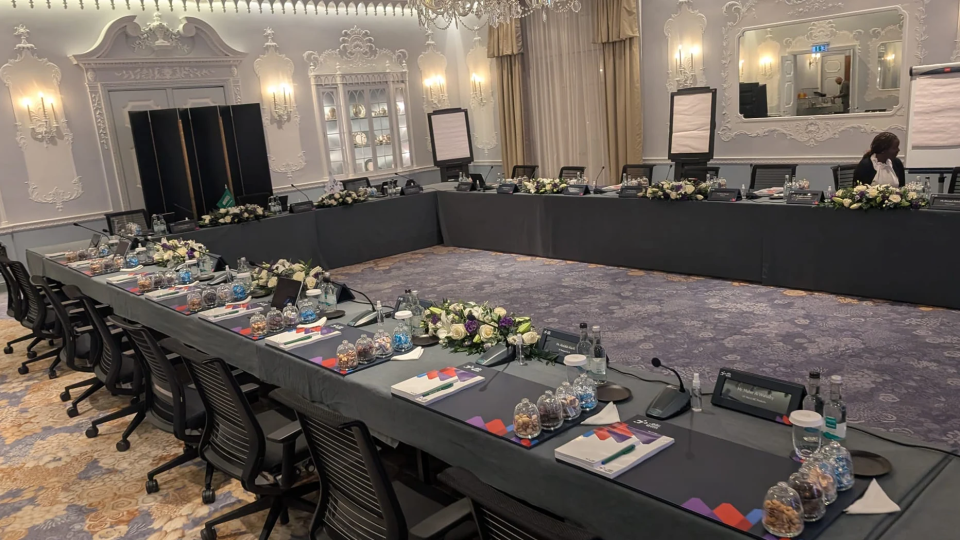
You have planned a high-profile event with a diverse international audience. Everything is perfect except for one thing. Half of your guests can’t understand what is being said. That is a disaster. In today’s connected world, where international business, diplomacy, education, and events are more linked than ever, language should not be a barrier.
This is where wireless interpretation systems come into play. These tools are not just nice to have; they are game-changers. Let’s look at what these systems are, why they’re valuable, the limitations to watch for, and how to rent the right one for your event without overpaying.
What Are Wireless Interpretation Systems?
When you hear “wireless interpretation,” you might think of something high-tech, and you would be right. But at its core, a wireless interpretation system is simply a way to help people hear translations of what is being said at an event, in real time, using headphones or earpieces without any messy wires.
It is a seamless way to connect speakers and audiences across languages. These systems are the backbone of multilingual events across industries, from meetings with overseas clients to global expos and political summits. Wireless interpretation makes communication smooth and barrier-free. Let’s break down how it works and what components are involved.
Benefits Of Wireless Interpretation Systems
Planning a multilingual event comes with a unique set of challenges. You want to make every attendee feel heard and included, no matter what language they speak. Wireless interpretation systems help you raise your event’s professionalism while ensuring everyone stays on the same page, literally and figuratively.
Moreover, they are fast becoming the standard for modern events, and for good reason. Let’s explore some of the most powerful benefits they offer and why they are worth considering for your next event.
1. Mobility and freedom of movement
Modern events are rarely static. From moving between rooms to networking on the go, mobility is a must for both attendees and interpreters. Wireless interpretation systems deliver exactly that by removing the need for cables and fixed installations.
2. Cleaner, Quieter Setup
If you have ever been to a multilingual event without a proper interpretation system, you have likely experienced overlapping voices, background noise, and general chaos. Wireless interpretation solves this. It provides a clean and quiet listening experience where participants can focus solely on what matters: the message.
3. Supports Multiple Languages Simultaneously
The beauty of hosting international events lies in their diversity, but idt also comes with the challenge of catering to many languages. With wireless systems, you don’t have to choose one or two languages. Instead, you can provide a truly inclusive experience by accommodating all major languages your audience needs.
4. Efficient Real-Time Interpretation
Timing is everything in live events. Whether you are presenting product launches or delivering keynote speeches, any delay in interpretation can throw off the rhythm. Wireless systems are built for seamless, real-time interpretation, keeping your event flow natural and smooth from start to finish.
5. Scalability For Any Event Size
Whether you are planning a VIP meeting for 10 or a global expo for 10,000, scalability matters. Wireless interpretation systems adapt to your event size without skipping a beat. They are a highly flexible solution that fits events of all shapes and sizes.
Limitations Of Wireless Interpretation Systems
While wireless interpretation systems are incredibly useful, they are not without flaws. Just like any technology, they come with specific constraints that, if not anticipated, can cause headaches during the event.
Understanding these challenges is key to troubleshooting in advance and making informed decisions when choosing a setup.
Let’s take a closer look at the common limitations you should know about before you finalise your interpretation system.
1. Signal Interference
Wireless systems rely on frequencies to transmit audio. While this generally works great, signal interference can still be a real issue, especially in large venues or environments full of electronic devices. Interference can cause dropped audio, fuzziness, or static, which leads to confusion among attendees.
2. Battery Dependence
Wireless devices are convenient, but they need power. The more devices you use, the more batteries you need to manage. Battery failure mid-event is a common but avoidable problem if you know what to expect and how to prepare for it.
3. Requires Skilled Interpreters And Setup
Even the best technology can’t replace the human element. These systems rely heavily on skilled interpreters and technically sound setups. Without professionals handling both, things can get lost in translation (literally).
4. The Initial Cost Can Be High
If you are looking to purchase a wireless interpretation system for frequent use, be prepared for a serious investment. While the long-term value may be worth it, the upfront cost is high. That is why many event planners opt to rent instead. More on that in the next section.
Rental Advice: How To Get The Best Wireless Interpretation System
Renting a wireless interpretation system is often the smartest route, especially for occasional events. But renting doesn’t automatically mean success. To get the best deal and experience, you need to ask the right questions, know what your event needs, and work with a trusted provider. A good rental can make your event seamless; a bad one can leave your guests confused, frustrated, and unimpressed.
Here is a detailed guide to renting smart and getting the most value from your interpretation setup.
1. Know Your Event Requirements
Not all events are the same, so your rental should reflect your unique needs. Before reaching out to vendors, take time to outline your event format, expected number of attendees, languages needed and layout. This ensures you are not overspending or missing out on key features.
2. Test The System Before The Event
You wouldn’t run an event without testing the interpretation system. Doing a dry run ensures that all equipment is working, signals are clear, and interpreters are familiar with the setup.
3. Request Tech Support On-site
Even the most high-end system can run into hiccups. Having on-site technical support from your rental provider gives you peace of mind and ensures quick troubleshooting. This can be a lifesaver during high-pressure moments.
4. Compare Rental Packages Thoroughly
Price shopping is not just about saving money; it is about getting the best quality for your budget. Compare different vendors and packages, paying close attention to what is included, from batteries and receivers to interpreter booths and support staff.
5. Don’t Forget Hygiene
In a post-COVID world, health and hygiene remain top priorities at public gatherings. Shared equipment like earpieces must be sanitised and ideally individually packed. Don’t be afraid to ask the vendor how they handle hygiene; your guests will thank you.
Final Thoughts: Is A Wireless Interpretation System Worth It?
Yes. If you’re hosting an event where more than one language is spoken, a wireless interpretation system is not just helpful but essential. It helps you communicate clearly, run your event professionally, and make every guest feel included and respected. The key is to understand the technology, be aware of its limitations, and follow smart rental practices. With the right preparation, you’ll create an event that feels seamless and inclusive, no matter how many languages are in the room.