
When words don’t match, meaning gets lost.
There once was a speaker standing proudly on stage, ready to deliver key insights to an eager crowd. Lights on, mic checked, slides perfect. But as they began speaking, a quiet ripple of confusion spread through the room. Some faces smiled politely, others leaned in, lost in translation. Not because the speaker lacked value, but because not everyone in the room spoke the same language.
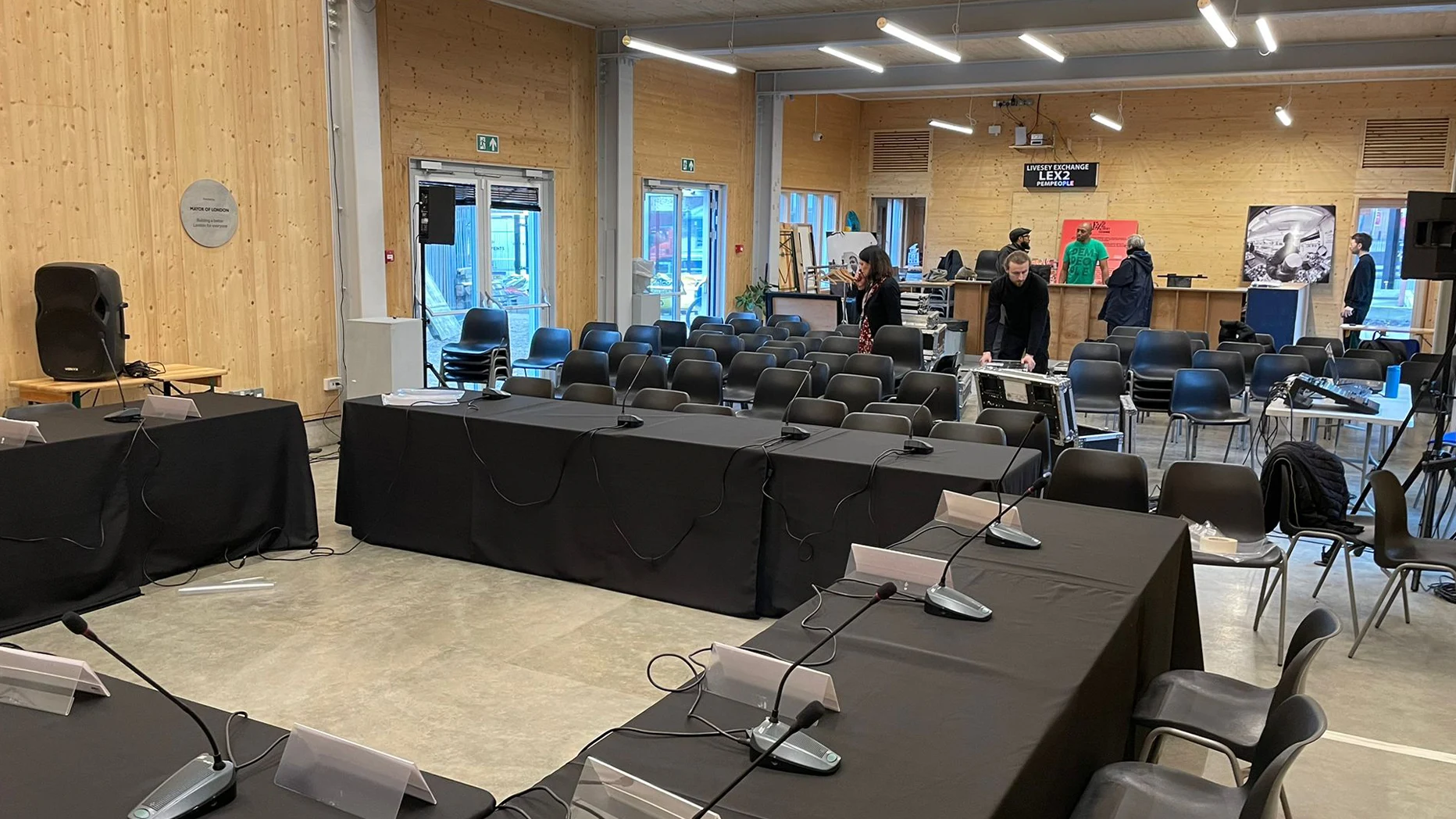
This happens more than you think. In global business hubs like London, conferences often welcome delegates from different countries, backgrounds, and industries. But communication only works when it’s understood. That’s where conference translation services in London step in, not just as a luxury, but as a must-have for clarity, credibility, and connection.
What Are Conference Translation Services?
Conference translation services help speakers communicate across languages during events, ensuring that everyone understands the content. They fall into two categories:
- Simultaneous Interpretation: The interpreter translates while the speaker is talking.
- Consecutive Interpretation: The interpreter waits for the speaker to pause before translating.
These methods work differently depending on event type and audience size. For example, simultaneous interpretation is great for large conferences while consecutive interpretation fits smaller, more personal meetings.
Why London Needs Expert Translation Services
London is one of the most international cities in the world. Over three hundred languages are spoken across its neighbourhoods. This diversity makes communication more complex, especially in conferences and business meetings.
Every industry, from finance to medicine, uses specific terms. A single mistranslated phrase can lead to confusion, legal trouble, or financial loss. That’s why having professional interpretation services is not a luxury but a necessity in London’s fast-moving business environment.
How Does Interpretation Work In A Real Conference?
Here’s a typical workflow for a professional interpreting setup:
- Identify language needs and audience profiles.
- Choose interpreters with expertise in the subject area.
- Set up audio equipment: booths, headsets, and microphones.
- Provide event briefs and presentation notes to interpreters.
- Run live interpretation throughout the event.
If any step in this chain breaks, communication falters.
Types Of Equipment Used
A reliable provider will supply and install essential tools like:
- Soundproof interpreter booths.
- Wireless headsets.
- PA systems.
- LED screens.
- Push-to-talk microphones.
These tools allow seamless audio transmission across the venue, and on-site technicians can handle any hiccups instantly.
Conferences That Use Translation Services Most Often
Not every event needs translation. But the following often do:
International business conferences.
- Legal hearings and policy talks.
- Government and public health meetings.
- Medical symposia.
- Academic research conferences
- Press briefings
Each of these relies on accuracy. A minor error in interpreting a technical term can cause lasting problems.
Live Interpreting Vs. Remote Interpreting Vs. Translation: What’s Best For Your London Event?
Not every event setup is the same. Depending on your goals, audience, and budget, you might choose between live interpreting, remote interpreting, or written translation services. Each has its pros and cons. Here’s how they compare:
| Feature | Live Interpreting | Remote Interpreting | Written Translation |
| Format | In-person, on-site interpretation. | Interpreters connect virtually via video/audio. | Pre-event document or content translation. |
| Best For | High-stakes, large conferences. | Hybrid events, webinars, and budget-limited events. | Manuals, slides, brochures. |
| Technology Required | Booths, mics, headsets, and AV support. | Internet connection, online meeting platform. | None (shared via email or drive). |
| Interaction Level | High, with real-time feedback and audience control. | Medium – limited by technical delay or platform. | None – content is static. |
| Flexibility | Requires planning and setup. | Offers flexible scaling across locations. | Flexible timeline, not live. |
| Accuracy & Engagement | Very high – supports tone, emotion, flow. | Moderate – depends on connection and tech setup. | High – but only for written content. |
| Language Coverage | Full – professional interpreters available. | Full – depending on the provider. | Full – depending on expertise. |
When To Use Each:
- Live interpreting is ideal for important business meetings, investor summits, and international trade events where every word matters.
- Remote interpreting is best for hybrid setups, virtual attendees, or events spread across multiple venues.
- Translation solutions work well for preparing multilingual slides, speaker notes, agendas, contracts, or signage before the event.
Example:
If you’re hosting a London-based tech summit with both in-person and remote delegates, you might use live interpreting for the main stage, remote interpreting for breakout sessions, and translation services for handouts and programme schedules.
Why Businesses Across The UK Rely On These Services
Business translation services in the UK are more than just helpful; they are strategic. These services enable companies to:
- Close deals with global partners.
- Avoid legal misunderstandings.
- Build stronger relationships with clients.
- Expand outreach in multilingual markets.
- Train employees from different regions.
In a training seminar where safety procedures are discussed, miscommunication is not just a risk; it’s a liability.
How To Select The Right Translation Partner
Choosing a translation partner can affect the outcome of your event. Here’s a checklist to help:
● Do they offer interpreters with at least 5 years of experience?
● Can they provide support in over 50 languages?
● Are they able to work on short notice from a London base?
● Do they have on-site technicians?
● Is the equipment tested and regularly updated?
A reliable company will walk you through every step, from planning to event wrap-up.
The Interpreter’s Role: More Than Just Words
An interpreter doesn’t just translate language. They deliver tone, emotion, and clarity. They understand cultural cues, know when to pause, and make sure humour or formality comes across the right way.
That’s why interpreters are chosen not just for language but for industry. A legal interpreter must understand courtroom procedure. A medical interpreter should grasp complex health terms.
What Makes Business Translation Different?
In business settings, there’s little room for error. Interpreters in this space must:
● Use formal language when needed.
● Translate industry-specific terms accurately.
● Keep tone consistent (e.g., during negotiation).
● Recognise UK-specific terminology vs. US or EU versions.
These aren’t just linguists. They are communication experts trained for real-world business settings.
Wrap Up
If your audience speaks more than one language, your message deserves to be heard in every one of them. Translation isn’t just about words. It’s about understanding, trust, and connection. And in the fast-moving world of business, that means a lot.
At EMS Communications, we bring clarity, precision, and decades of expertise to every conversation. From interpreters to full tech setup, everything is handled in-house, on time, and with care. Each interpreter has five or more years’ experience in specialised fields, including law, finance, health, engineering, and more. So, your message stays on point every time.